How long does commercial painting take? A small vacant office suite often finishes in 1–4 nights. A full occupied floor usually needs 1–3 calendar weeks. Exterior elevations commonly run 2–6 weeks. The number that matters is calendar duration under your access rules—not a vague “days of painting” estimate.
Scope-based planning for occupied, vacant and after-hours commercial work.
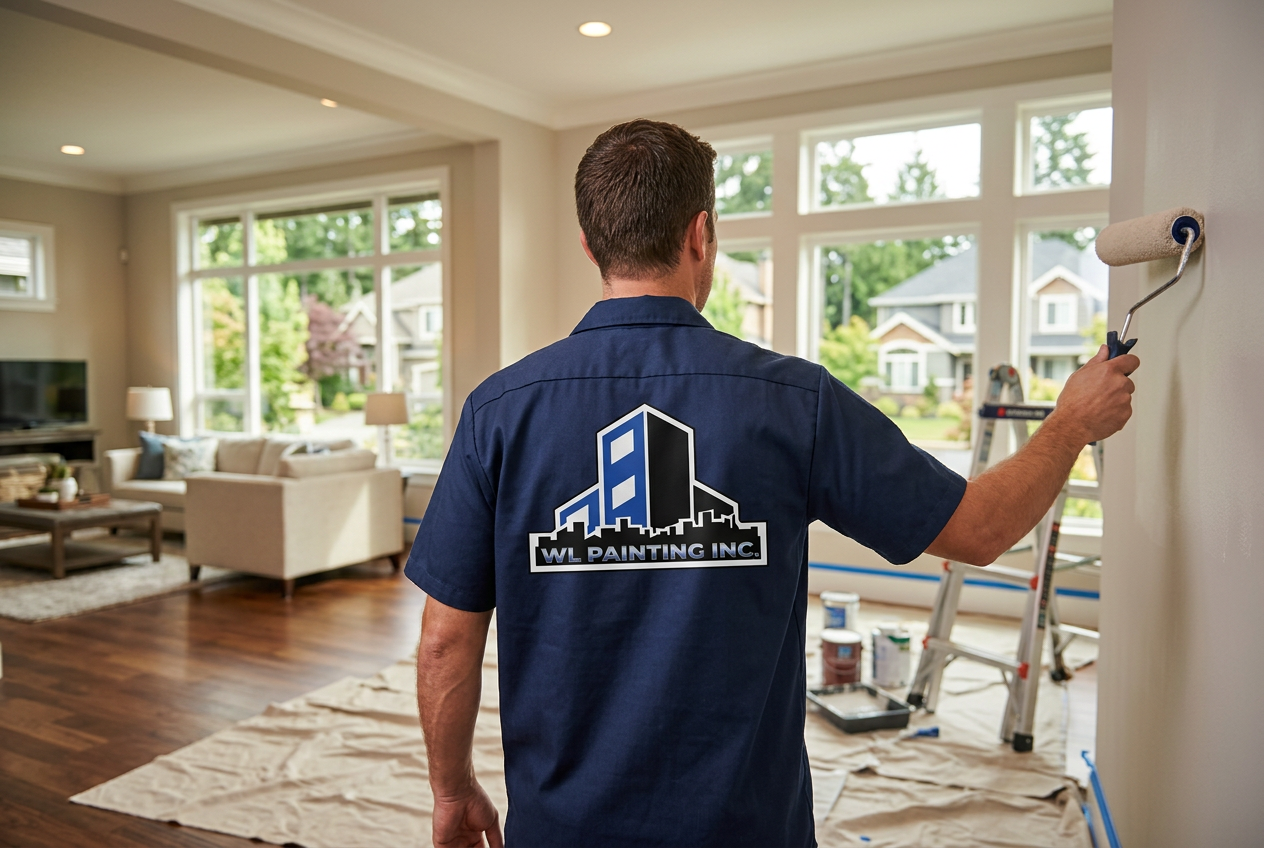
Typical commercial painting timelines by project type
Use these as planning ranges for DMV commercial work, not as quotes. Condition, height, product system and whether people remain in the building change the calendar. Pair this with the commercial painting cost guide for the DMV so budget and duration are discussed together.
| Project type | Typical production | Occupied / after-hours calendar |
|---|---|---|
| Single office suite, standard repaint | 1–3 production days | 1–4 nights |
| Full office floor | 4–10 production days | 1–3 weeks |
| Multifamily corridor stack | 2–8 production days | 1–4 weeks, floor by floor |
| Apartment make-ready, one unit | 4–8 hours if walls are sound | Same day to 1 day |
| Retail sales floor recoat | 2–5 production days | 3–8 nights so the store can open each morning |
| Exterior elevation package | 5–15 production days | 2–6 weeks, weather dependent |
| Warehouse / dryfall ceilings | Highly variable by height and prep | 1–4+ weeks around live operations |
Unit turns can move faster when the standard is written and the walls are already in decent shape. See apartment turnover painting for Maryland property managers for the make-ready sequence that protects leasing days.
Production days vs calendar duration
Ask every bidder for both numbers. Production days assume the crew can work a normal shift with clear access. Calendar duration includes setup, dry time, punch, elevator rules and nights-only limits.
Production clock
How many productive crew shifts the coating and prep scope requires under clear-access conditions.
Calendar clock
When the building is actually finished after access windows, protection, dry time, approvals and punch.
Example: a corridor package estimated at 4 production days with nights-only access (about 5 productive hours) often needs 7–9 calendar nights. If the bid only shows “4 days,” you are looking at labor—not the date the building is actually finished.
Office interiors follow the same math. Color, coatings and after-hours rules are covered in the office painting colors, coatings and scheduling guide.
What speeds a commercial painting project up
Clear access
Vacant rooms, daytime windows and unlocked colors let a crew produce. Furniture left in place and late color changes do the opposite.
Written scope
Prep, primer, coat count and punch belong in the bid. Ambiguous “paint as needed” language always adds days later.
Sound substrates
Clean, stable walls paint faster. Moisture stains, failing wallcovering and heavy patching add days before the first finish coat.
Fast punch decisions
Name who walks the job and how quickly they approve touch-ups. Unanswered punch items stretch closeout more than painting does.
What slows a commercial painting schedule down
- After-hours-only rules and short elevator windows
- Tenants still occupying rooms that were supposed to be vacant
- Furniture, fixtures or merchandise left in the work zone
- Hidden water damage or wallcovering that has to come off first
- Weather holds on exteriors, especially late-summer storms in the Mid-Atlantic
- Change orders issued after production has started
Most of those delays are preventable if the building is actually ready. Use the commercial building prep checklist before the crew mobilizes.
How to read a painting timeline in a bid
A trustworthy schedule from a commercial painting contractor in Maryland should answer these questions in writing:
- What access hours were assumed?
- What crew size was assumed, and where would a larger crew stop helping?
- Where is the phase map for multi-area work?
- Are dry time and punch included, or only coating days?
- What would shorten the job, and what would lengthen it?
If three bids look nothing alike, the problem is usually the scope. Align them with the property manager bid-scope guide before you compare dates.
Planning checklist for a realistic timeline
- Building type, occupancy and blackout dates
- Access hours, elevator rules and protection standard
- Areas included and excluded, with condition notes
- Product system, sheen by zone and cure time before traffic
- Named on-site lead and punch approver
- Production days and calendar duration listed separately
- Contingency days for repairs, weather or occupied-building holds
Maintenance reality: The schedule you can defend to ownership is the one that includes dry time, punch and access limits—not the shortest labor number in the stack.
Frequently asked questions
How long does commercial painting take for a small office?
A standard vacant suite often takes 1–3 production days, or 1–4 nights if the building stays occupied. Heavy repairs, wallcovering removal or after-hours-only access add calendar time even when the square footage looks small.
Can more painters always finish faster?
Only until space, access and dry time become the bottleneck. Extra bodies do not help in a narrow corridor, a single elevator or a room that still needs four hours before the next coat. Ask bidders where additional crew would actually shorten the calendar.
Should I add contingency days to a commercial painting schedule?
Yes. Add them for exteriors and occupied interiors. Mid-Atlantic weather, tenant access issues and unexpected repairs are normal—not exceptions. A schedule with no hold days is a wish list.
When should painting start relative to other trades?
After major dust-producing work is done, with a planned final touch-up before occupancy. Painting too early means you pay twice. Painting too late blows the move-in date. Coordinate the finish schedule with the GC or property team before mobilization.
How long before a painted area can be used again?
Most commercial waterborne coatings are dry to the touch in 1–2 hours and ready for a recoat in about 4 hours. That is not the same as cured. High-traffic corridors and retail floors still need a defined return-to-service window so carts, luggage and cleaning crews do not mark a fresh film.
Get a realistic commercial painting schedule
WL Painting Inc plans occupied-building work from a written scope—production days, calendar nights, protection and punch—so the date you give ownership is a date the crew can keep.