Retail store painting can stay on an open-hours calendar if public zones are painted after close, low-odor products are specified, and every morning looks finished before the first customer. Closing the store is rarely required for a standard recoat. Closing is usually required only for a full gut, a brand reset that moves fixtures, or exterior work that blocks the entrance.
Key takeaway: Customers notice dust, wet-paint signs, and unfinished edges before they notice a perfect color match. Schedule the sales floor overnight and keep a clean, finished edge every morning.
Can a retail store stay open during painting?
Usually yes. After-hours painting is the standard for operating stores in the DMV. Crews work from close until early morning, ventilate, and reset the floor before open. Phased daytime work can work in wide-aisle stores if the work zone is contained and shoppers never walk through wet paint.
A full close is faster for production, but it costs sales. Use a close for brand resets, wallcovering replacements, or when fixtures have to come off the walls. For a typical recoat, keep the doors open and treat painting like an operations project. That is the same approach we use on retail and hospitality projects.
Map the customer path before you pick colors
Start with where shoppers walk, wait, and touch surfaces. Then decide what must look camera-ready at open versus what can phase on later nights.
Paint first
- Entry doors, vestibules, and checkout queues
- Fitting rooms and restrooms
- Feature walls and brand-color zones
Phase later
- Stockrooms and receiving
- Offices and break rooms
- Low-visibility side walls behind fixtures
Back-of-house is often ignored until it looks worse than the sales floor. Include it in the bid as a separate line so it does not get dropped when the overnight window runs short.
Brand colors, sheens, and high-traffic coatings
Retail walls take carts, bags, strollers, and constant cleaning. Specify a cleanable, scuff-resistant system for high-touch zones—not a residential eggshell that marks in a week. Keep brand-critical colors in a controlled formula with documented codes so seasonal resets do not drift.
- Sales floor: durable eggshell or similar washable finish
- Doors, frames, fitting rooms, restrooms: higher sheen that can take repeated cleaning
- Feature walls: exact brand color, not “close enough” from memory
- Low-odor / low-VOC products when the suite has to open the next morning
Interior product choices belong in the same conversation as interior commercial painting, not as an afterthought on the night the crew arrives.
A 3-night after-hours recoat plan
Adjust for store size, but keep the rule: every morning must look customer-ready. No open cans, ladders, or drop cloths in view at open.
Prep and prime
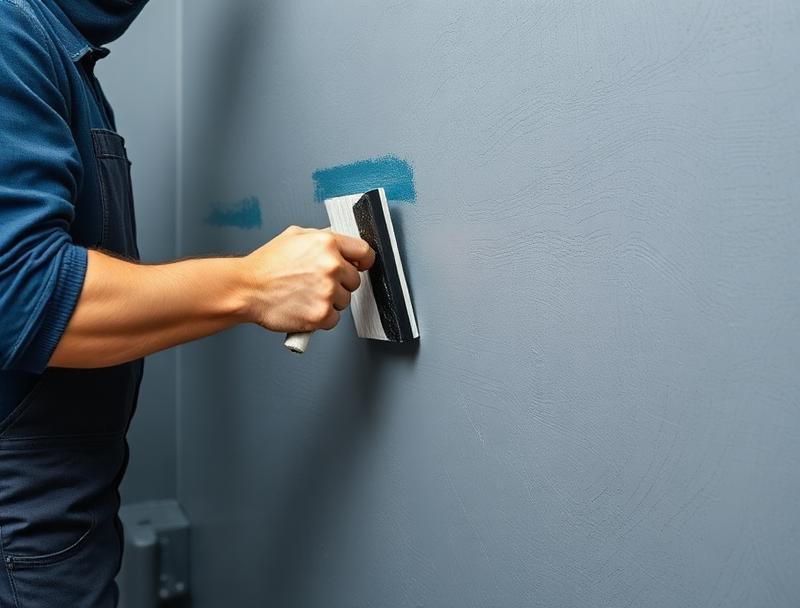
Protect fixtures, patch, caulk, and prime problem areas. Start low-visibility walls so the sales floor still photographs clean at open.
Main walls
Coat the sales-floor walls and feature zones. Keep a wet-edge plan so overnight stops do not leave lap marks in camera view.
Doors and punch
Finish doors, frames, and touch-ups. Final cleanup before merchandising teams return and before the first customer.
Larger stores add nights, not chaos. Split the floor into zones so one area is always sellable. If the calendar is tight, see how long a commercial painting project takes so overnight windows are converted into a real end date.
Storefront and exterior painting around shoppers
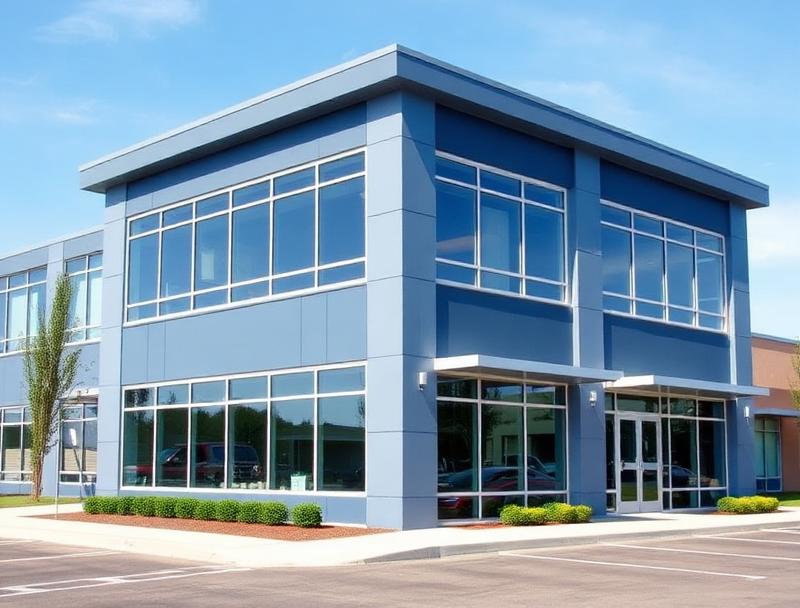
Exterior commercial painting and pressure washing before paint have to respect weather, landlord rules, and sidewalk traffic. Lifts and scaffolding need an access plan so deliveries and customers are not blocked for days without notice.
Late August through October is still a usable exterior window in the DMV if rain holds. Interior after-hours work can start now for holiday traffic. Do not wait until December to refresh a storefront that will be photographed all season.
What a retail painting bid should include
- Sales floor vs back-of-house pricing, or clear allowances
- Who moves merchandise and who protects fixtures
- Brand color list and sheen schedule
- After-hours premium, if required
- Odor-aware product specification for enclosed suites
- Daily reset standard and punch before merchandising returns
If the bid is a one-line price, it is not comparable. Use the same discipline as other commercial scopes: written assumptions, not a handshake.
Landlord, mall, and delivery constraints
Many retail suites need landlord approval for exterior color, suite-entry work hours, and dock access. Build that lead time into the schedule before you book the crew. Interior brand walls are usually freer. Common-area interfaces are not.
Mall and mixed-use buildings often restrict noisy work, overnight parking, and dumpster use. Put those rules in the bid request so night production is not a surprise on Night 1.
Open-hours logistics checklist
- Overnight or early-morning shifts for sales-floor walls
- Low-odor product selection for enclosed suites
- Dust control and floor protection that can come up before open
- Temporary wayfinding if fixtures move
- Named person who walks the floor at 7 a.m. before doors unlock
- Daily reset: no open cans, ladders, or drop cloths in customer view
Maintenance reality: Write color codes, sheens, and attic-stock notes at closeout. Seasonal resets fail when the next crew has to guess last year’s red.
Frequently asked questions
Can we stay open during retail store painting?
Often yes for phased or overnight work. Full sales-floor recoats usually need closed hours or temporary zone closures, not a multi-day lockout. The store should look finished at open even if the back room is still in progress.
How often should retail interiors be repainted?
High-traffic stores often need touch-ups yearly and a fuller recoat every 2–5 years, depending on abuse, cleaning chemicals, and brand standards. Checkout, fitting rooms, and entries wear first. Waiting until the whole store looks tired usually costs more than a planned cycle.
Who handles fixture and merchandise moving?
Decide in writing. Ambiguity here delays nights and damages product. Some owners move fixtures with store staff. Some include protection and limited moving in the painting bid. Do not leave it as “we will figure it out on site.”
Do we need low-VOC paint if the store opens the next morning?
Yes for enclosed suites and customer-facing rooms. Low-odor, low-VOC systems reduce morning complaints and make overnight work realistic. Product choice is part of the schedule, not a green extra.
When should we paint before the holiday season?
Start interior after-hours work in late summer or early fall, before inventory peaks. Storefront and exterior work should be finished before November weather and holiday displays take the sidewalk. December overnight crews are possible, but they cost more and produce less.
Plan retail painting around open hours
WL Painting Inc sequences after-hours retail work so the sales floor is customer-ready every morning—brand colors locked, fixtures protected, punch done before merchandising returns.