Extreme weather is not only hurricanes and headlines. For DMV properties, it is freeze-thaw, summer UV, wind-driven rain, and temperature swings that stress coatings every year. Choosing paint materials for harsh weather means choosing a system—not a color chip.
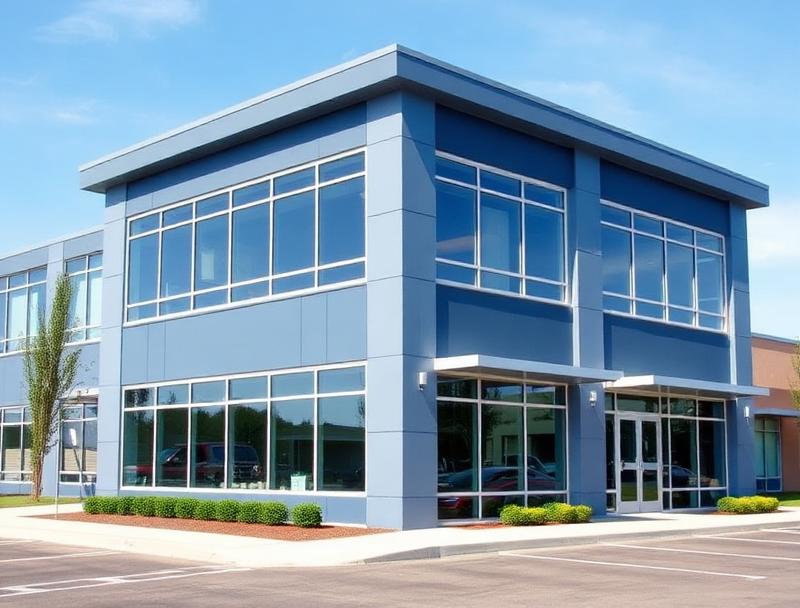
Key takeaway: The best exterior product applied on a wet, chalky, or cracked surface will still fail early.
What “weather-ready” really means
Key takeaway: The best exterior product applied on a wet, chalky, or cracked surface will still fail early.
- Adhesion after proper prep
- Flexibility or film integrity appropriate to the substrate
- UV resistance for exposed elevations
- Compatibility with masonry, metal, wood, or existing coatings
- Application within real climate windows
- Adhesion after proper prep
- Flexibility or film integrity appropriate to the substrate
- UV resistance for exposed elevations
- Compatibility with masonry, metal, wood, or existing coatings
Write assumptions into the bid request so crews, property staff, and ownership are evaluating the same job.
Substrate-specific thinking
- Masonry: moisture paths, joints, breathability questions
- Metal: corrosion prep and matching primers
- Wood: moisture content, joints, and end-grain realities
- Previous elastomeric coatings: identify before recoating
Maintenance beats hero coatings
- Inspect elevations yearly
- Wash when contaminants build up
- Recaulk failed joints early
- Spot-prime and repair before full failure
- Plan full recoats before widespread peel
Bid language that protects you
- Product system named or performance-equal
- Prep standard defined
- Weather-hold rules included
- Warranty conditions stated clearly
Owner maintenance calendar (simple)
- Spring: inspect south/west elevations and caulk
- Summer: note blistering or fade after heat cycles
- Fall: clean gutters; plan exterior recoats
- Winter: interior projects; document exterior failures for spring bids
Project planning checklist
- What “weather-ready” really means
- Substrate-specific thinking
- Maintenance beats hero coatings
- Bid language that protects you
- Owner maintenance calendar (simple)
Maintenance reality: Clear documentation reduces touch-up confusion and change-order disputes after the crew leaves.
Frequently asked questions
Can one paint handle every exterior surface?
Rarely. Systems should match substrates.
Do elastomeric coatings fix cracks forever?
They can bridge some hairline issues; structural and joint failures still need repair.
When is the best season to coat?
Reliable mild, dry windows—more important than a month name. Need professional painting in Maryland, D.C., or Northern Virginia?
Ready to protect your building exterior with the right system?
WL Painting Inc works with property managers, facility teams, and general contractors on commercial interiors, exteriors, wallcovering, surface preparation, and phased occupied-building work.