Humidity, rain, and warm summers are normal in the Mid-Atlantic—not edge cases. If you own a home or manage a building here, “premium paint” only helps when the system matches moisture reality. This guide covers paint for humid climates without the marketing fluff.
Key takeaway: Fix moisture sources first. No coating is a waterproofing miracle for active leaks.
What humidity does to coatings
Key takeaway: Fix moisture sources first. No coating is a waterproofing miracle for active leaks.
- Slows dry/cure when conditions are wrong
- Encourages mildew on shaded, damp elevations
- Exposes weak adhesion on poorly prepped surfaces
- Punishes trapped moisture under non-breathable systems on masonry
- Slows dry/cure when conditions are wrong
- Encourages mildew on shaded, damp elevations
- Exposes weak adhesion on poorly prepped surfaces
- Punishes trapped moisture under non-breathable systems on masonry
Write assumptions into the bid request so crews, property staff, and ownership are evaluating the same job.
Exterior priorities for humid regions
- Clean biological growth properly
- Repair caulk, joints, and failed flashings
- Choose systems rated for the substrate (wood, masonry, metal)
- Apply only within temperature/humidity windows
- Maintain gutters and grade so walls are not constantly wet
Interior moisture zones
- Baths, laundry, and kitchens need cleanable, moisture-aware finishes
- Basements need moisture diagnosis before cosmetic paint
- Recurring stains are a building issue first, a paint issue second
Specification tips that prevent early failure
- Do not paint damp substrates
- Use mildew-resistant systems where growth is chronic (after cleaning)
- Match primer to stain and substrate conditions
- Document products for future maintenance
Moisture red flags before you paint
Paint after diagnosis—not instead of it.
- Soft wood or bulging drywall
- Musty odor after rain
- Efflorescence on masonry
- Stains that return in the same place every season
Project planning checklist
- What humidity does to coatings
- Exterior priorities for humid regions
- Interior moisture zones
- Specification tips that prevent early failure
- Moisture red flags before you paint
Maintenance reality: Clear documentation reduces touch-up confusion and change-order disputes after the crew leaves.
Frequently asked questions
Is more expensive paint always better in humidity?
Better systems help, but prep and moisture control decide lifespan.
Can I paint right after rain?
Only after the substrate is dry enough for the product system.
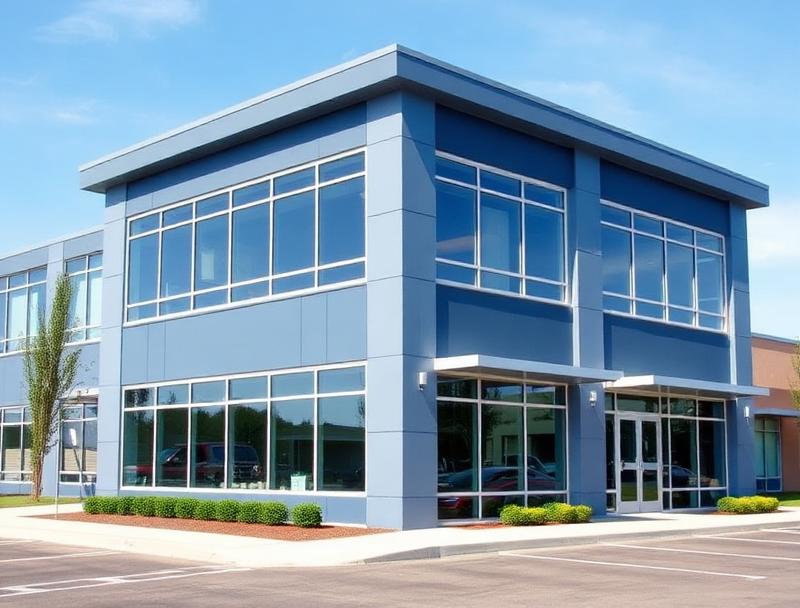
What about commercial exteriors?
Same physics, larger access and joint-repair scopes. Need professional painting in Maryland, D.C., or Northern Virginia?
Ready to scope your commercial painting project?
WL Painting Inc works with property managers, facility teams, and general contractors on commercial interiors, exteriors, wallcovering, surface preparation, and phased occupied-building work.