
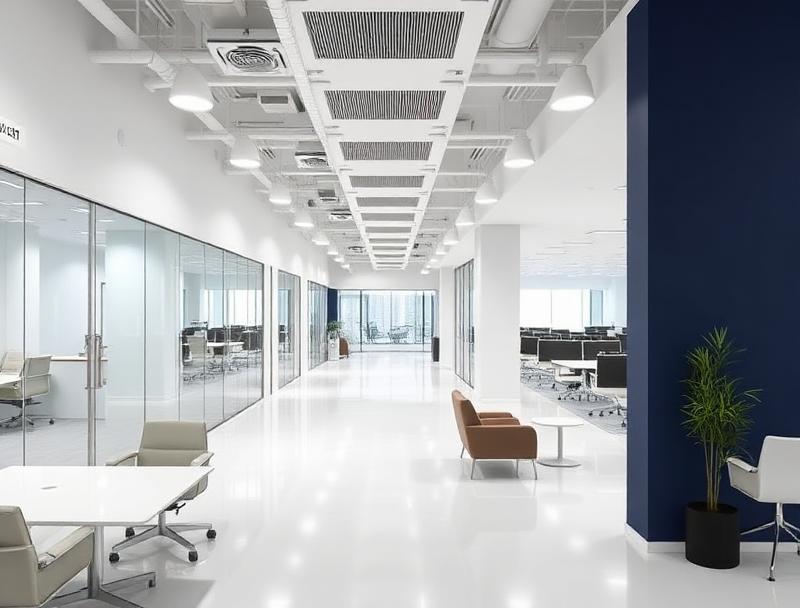
On a tenant improvement, painting is rarely the most expensive line item—but it is often on the critical path. Miss the sequence and furniture, flooring, and IT installs stack up against wet walls. For GCs and tenants in the DMV, TI painting needs the same discipline as any other finish trade.
Key takeaway: Budget a deliberate touch-up window. Assuming zero damage after other trades is how move-ins slip.
Where painting sits in the TI sequence
Key takeaway: Budget a deliberate touch-up window. Assuming zero damage after other trades is how move-ins slip.
- Major construction dust-producing work complete
- Walls closed, tape/float/sand accepted
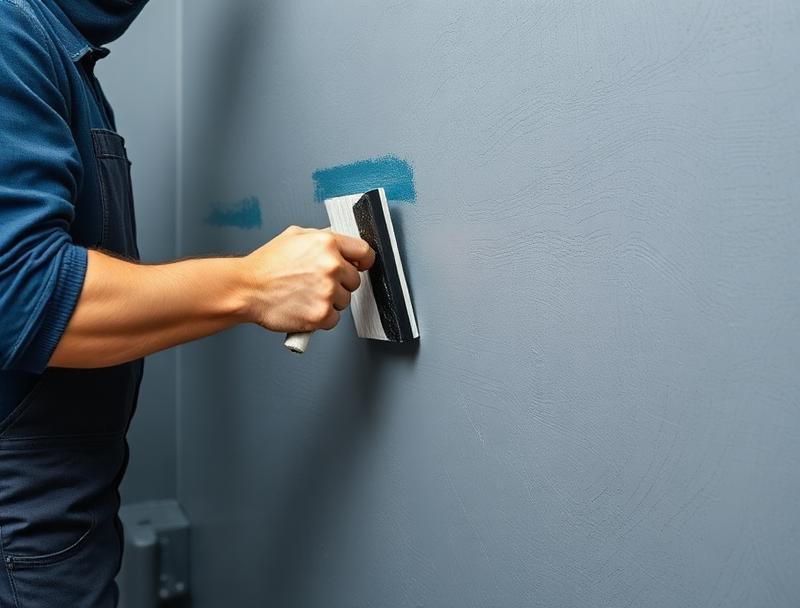
- Prime and first finish coats
- Other finishes that can damage paint coordinated carefully
- Final coats / touch-ups before substantial completion
- Punch and attic stock before tenant move-in
- Major construction dust-producing work complete
- Walls closed, tape/float/sand accepted
- Prime and first finish coats
- Other finishes that can damage paint coordinated carefully
Write assumptions into the bid request so crews, property staff, and ownership are evaluating the same job.
Finish schedule essentials
- Color codes by room type
- Sheens for walls, doors, frames, millwork adjacency
- Accent locations clearly marked on plans
- Approved product list or performance equals
- Ceiling grid and hard-lid decisions in writing
Coordination issues that cause callbacks
- Painting before final lighting makes color look wrong later
- Door hardware install damaging finished frames
- Flooring crews scuffing base walls
- Late design changes without revised paint scope
Occupied TI and after-hours work
Some DMV buildouts happen adjacent to live tenants. Include protection, dust control, and after-hours premiums in the base bid when that is the real condition—not as a surprise ticket mid-project.
RFI topics painters should raise early on TI jobs
Unanswered RFIs become either delays or assumptions. Assumptions become punch fights.
- Final ceiling type and whether walls get cut in before grid
- Millwork and glass install sequence vs final coats
- Accent wall locations still marked “TBD” on plans
- Door hardware finish schedule conflicts with frame coatings
- Who owns post-furniture touch-ups
Project planning checklist
- Where painting sits in the TI sequence
- Finish schedule essentials
- Coordination issues that cause callbacks
- Occupied TI and after-hours work
- RFI topics painters should raise early on TI jobs
Maintenance reality: Clear documentation reduces touch-up confusion and change-order disputes after the crew leaves.
Frequently asked questions
Who owns final touch-ups after furniture delivery?
Define it in the contract. Many projects include a post-furniture touch-up visit.
How early should paint colors be locked?
As early as design can allow—late changes cascade into product orders and labor re-sequencing.
Can walls be painted before ceilings?
Depends on ceiling type and access. Follow the GC’s finish sequence for the specific assembly. Need a commercial painting bid in Maryland, D.C., or Northern Virginia?
Ready to scope your commercial painting project?
WL Painting Inc works with property managers, facility teams, and general contractors on commercial interiors, exteriors, wallcovering, surface preparation, and phased occupied-building work.