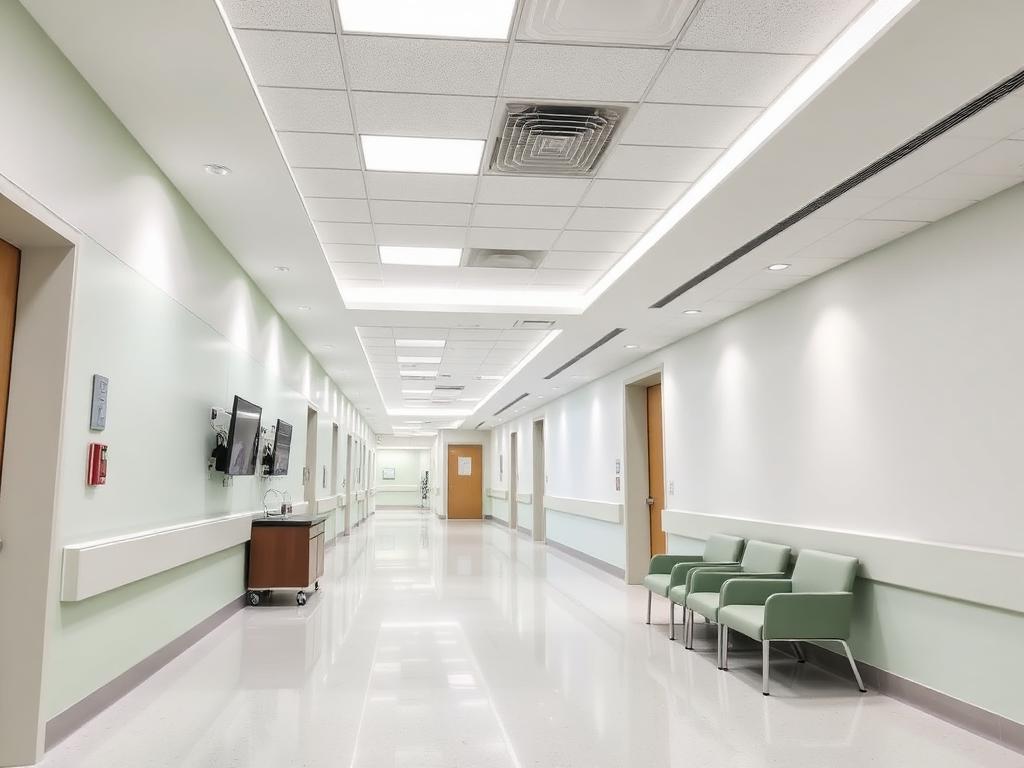
Healthcare painting is not “commercial painting with more white.” Clinics, medical offices, and care facilities in the DMV need crews who understand access control, cleanliness expectations, and coatings that survive frequent disinfection. Get the process wrong and you risk downtime, failed inspections, or rework.
Key takeaway: Write the schedule around patient care first. Coatings and colors come second.
Start with clinical and operational constraints
Key takeaway: Write the schedule around patient care first. Coatings and colors come second.
- Which suites can go offline, and for how long?
- Are there after-hours only zones near patient care?
- What infection-control or ICRA-style rules apply?
- Who approves product lists (facilities, compliance, landlord)?
- Which suites can go offline, and for how long?
- Are there after-hours only zones near patient care?
- What infection-control or ICRA-style rules apply?
- Who approves product lists (facilities, compliance, landlord)?
Write assumptions into the bid request so crews, property staff, and ownership are evaluating the same job.
Coatings that match cleaning reality
High-touch corridors, exam rooms, and restrooms need durable, cleanable finishes. Confirm sheen and product performance against your cleaning chemicals. Low-VOC options often help staff comfort during occupied work, but durability still has to meet the room type.
Scheduling patterns that work
- Batch rooms by suite so clinical teams can relocate predictably
- Complete corridors in night windows when foot traffic drops
- Coordinate with other trades so freshly coated rooms are not immediately damaged
- Leave time for punch before clinical reopening—not after patients return
Site conduct expectations for crews
- Defined material paths that avoid sterile or restricted areas
- No food/staging in clinical zones
- Immediate cleanup of dust and debris each shift
- Documented daily areas completed for facility records
Scope language that prevents change orders
Call out patching allowances, stain blocking, wall protection removal/reinstall, ceiling grid touch-ups, and door/frame finishes. Healthcare sites often hide more wall damage than a walkthrough reveals.
What to put in a healthcare painting pre-con meeting
If the facility cannot take rooms offline, say so early. “Paint around patients with zero plan” is how projects get stopped mid-shift.
- Infection-control expectations and any containment needs
- Approved product list and SDS availability
- Material transport path that avoids restricted zones
- Daily cleaning standard for work areas
- Who can authorize scope changes if damage is found
Project planning checklist
- Start with clinical and operational constraints
- Coatings that match cleaning reality
- Scheduling patterns that work
- Site conduct expectations for crews
- Scope language that prevents change orders
Maintenance reality: Clear documentation reduces touch-up confusion and change-order disputes after the crew leaves.
Frequently asked questions
Can exam rooms be painted while the clinic is open?
Often yes if rooms are taken offline in sequence and products/ventilation are planned. Waiting areas and corridors usually need tighter windows.
Do we need specialty antimicrobial paints?
Follow facility standards. Cleanable, durable systems plus correct prep often matter more than marketing labels alone.
What about wallcovering in healthcare corridors?
Common where abuse is high. Spec installation quality and seam detailing carefully. Need a commercial painting bid in Maryland, D.C., or Northern Virginia?
Ready to plan healthcare painting with less disruption?
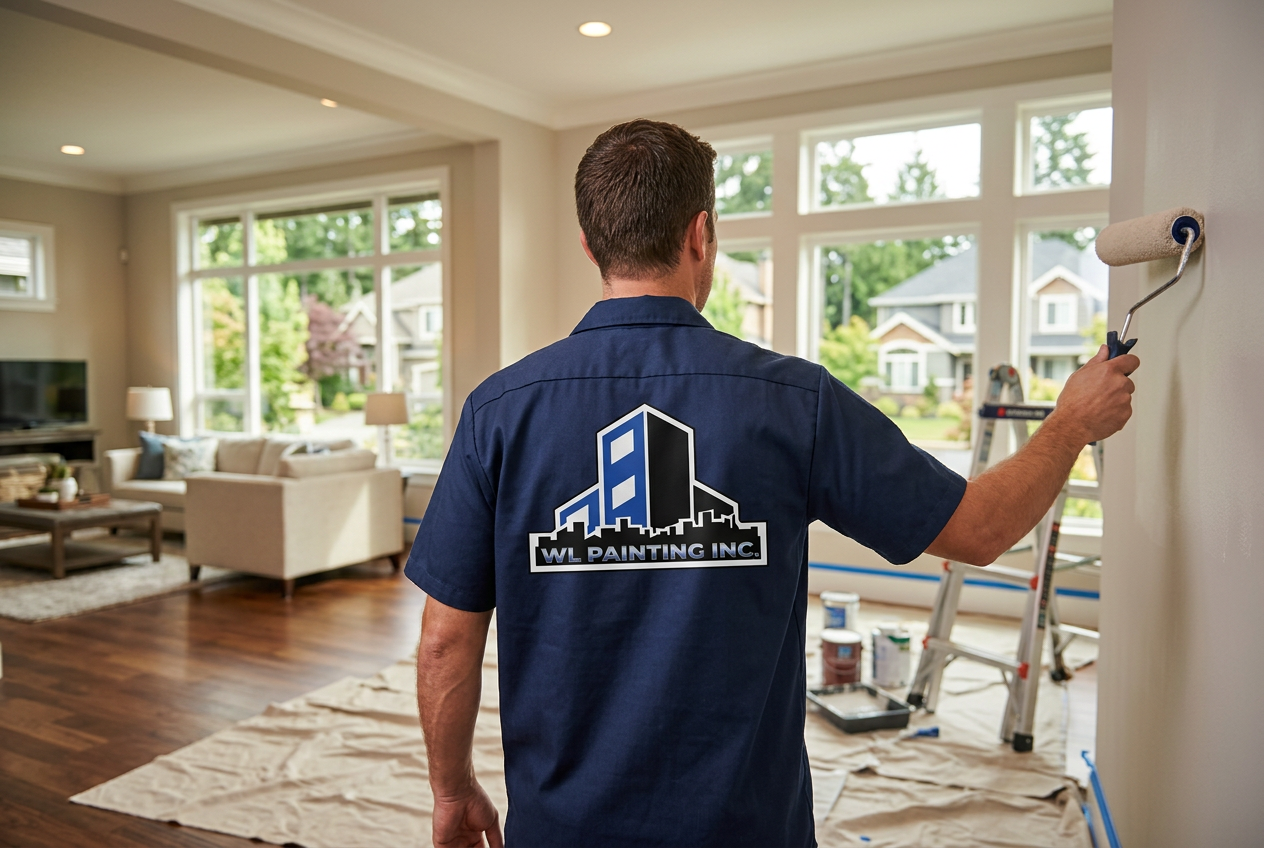
WL Painting Inc works with property managers, facility teams, and general contractors on commercial interiors, exteriors, wallcovering, surface preparation, and phased occupied-building work.