
Most color regrets are not about “bad taste.” They are about choosing a chip in a store and discovering a different color on a sunlit wall. Use this practical paint color guide for homes and commercial buildings so selections survive lighting, furniture, and maintenance reality.
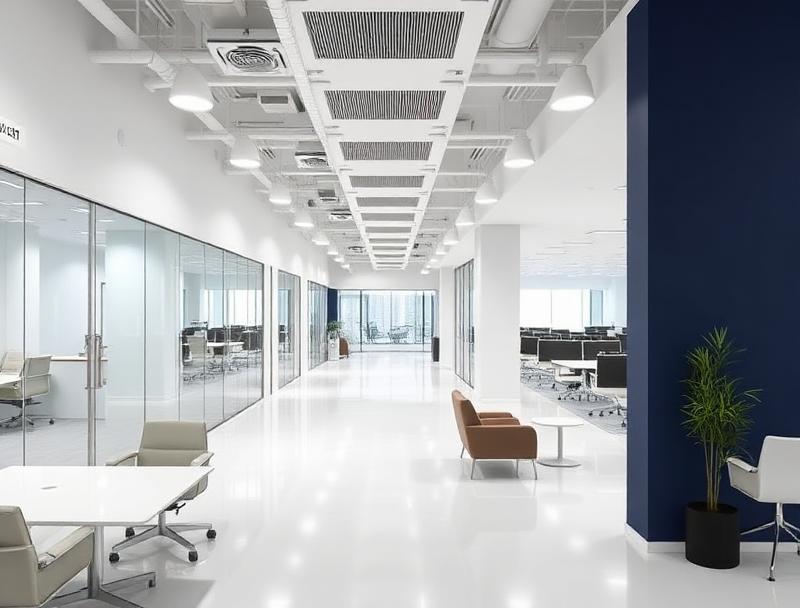
Key takeaway: Pick color and sheen together. The same hue can look elegant or cheap depending on gloss and surface quality.
Start with the job the color must do
Key takeaway: Pick color and sheen together. The same hue can look elegant or cheap depending on gloss and surface quality.
- Resale / leasing: broad-appeal neutrals
- Brand / hospitality: controlled accents + durable fields
- Personal home: more freedom, still test carefully
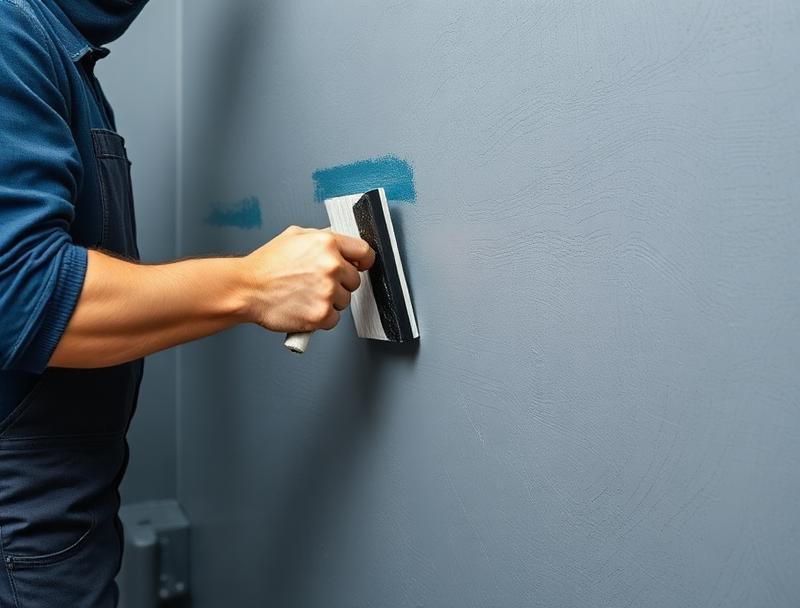
- High-abuse corridors: colors that hide scuffs reasonably and touch up cleanly
- Resale / leasing: broad-appeal neutrals
- Brand / hospitality: controlled accents + durable fields
- Personal home: more freedom, still test carefully
- High-abuse corridors: colors that hide scuffs reasonably and touch up cleanly
Write assumptions into the bid request so crews, property staff, and ownership are evaluating the same job.
The sample process that prevents expensive mistakes
- Shortlist 2–3 candidates max per room type
- Paint large samples on multiple walls
- Check morning, midday, and evening light
- View next to flooring, stone, and fixed finishes
- Approve only after 24 hours of living with samples
Undertones: the hidden fight
Gray that turns purple, beige that turns pink, white that turns blue—undertones show up next to wood and stone. Compare samples against your fixed materials, not against the paint strip alone.
Commercial color tips
- Fewer unique colors = faster maintenance
- Document every formula by area
- Keep attic stock labeled
- Avoid trendy corridor colors that date leasing packages quickly
Common color mistakes (and fixes)
- Too many accent walls: pick one hero zone per floor
- Matching a tiny fabric swatch exactly: coordinate, do not clone
- Ignoring trim: tired trim makes new wall color look unfinished
- Choosing only at the store: always sample on site
Project planning checklist
- Start with the job the color must do
- The sample process that prevents expensive mistakes
- Undertones: the hidden fight
- Commercial color tips
- Common color mistakes (and fixes)
Maintenance reality: Clear documentation reduces touch-up confusion and change-order disputes after the crew leaves.
Frequently asked questions
Should trim always be white?
White/off-white is classic and flexible, but not mandatory. Consistency across a floor or home matters more.
Do darker colors cost more?
They can need better prep and more coats for hide, and they show touch-ups more.
Can I choose exterior colors the same way?
Similar process, plus neighbor context, HOA rules, and sun-fade considerations. Need professional painting in Maryland, D.C., or Northern Virginia?
Ready to scope your commercial painting project?
WL Painting Inc works with property managers, facility teams, and general contractors on commercial interiors, exteriors, wallcovering, surface preparation, and phased occupied-building work.