“Repaint every X years” is only useful if X matches how the building is used. A quiet bedroom and a multifamily corridor do not share a calendar. Here is a practical guide to how often to repaint homes and commercial buildings in the DMV climate and market.
Key takeaway: Use condition-based triggers plus calendar planning. Waiting for total failure costs more than planned maintenance.
Typical planning cycles (starting points)
Key takeaway: Use condition-based triggers plus calendar planning. Waiting for total failure costs more than planned maintenance.
- Interior low-traffic rooms: often 5–10+ years
- Interior high-traffic homes (kids/pets/entries): touch-ups ongoing; fuller recoats sooner
- Office interiors: commonly 5–8 years, faster for corridors and tenant turnover
- Multifamily corridors: often shorter cycles or hybrid wallcovering strategies
- Apartment unit turns: as needed by condition at move-out
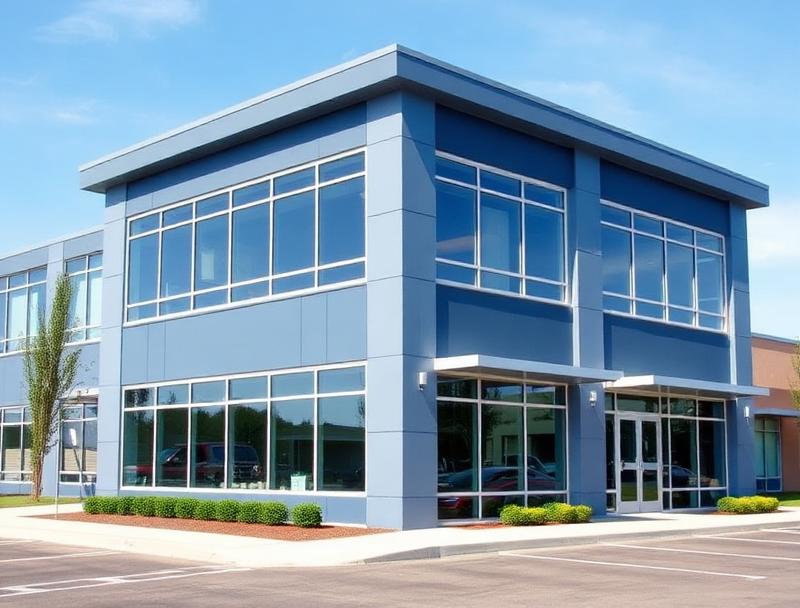
- Exteriors: inspect regularly; recoat before systemic peel, not after
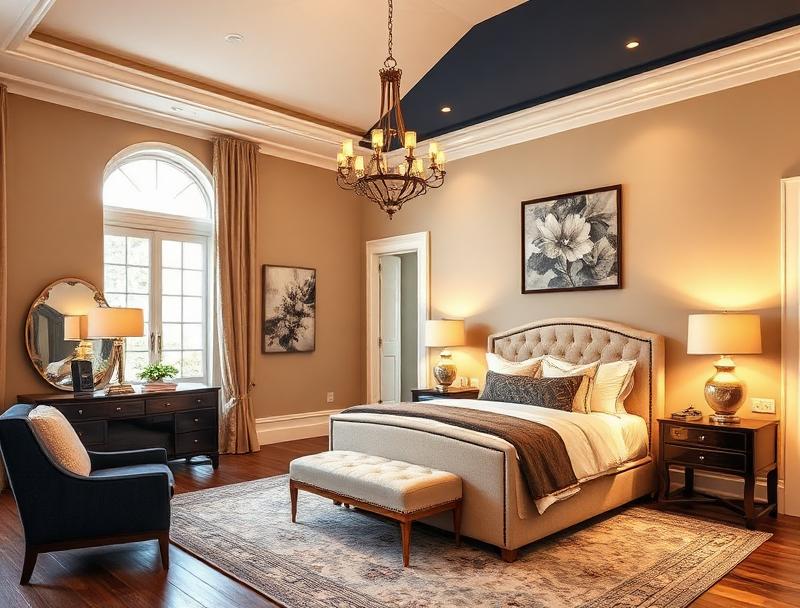
- Interior low-traffic rooms: often 5–10+ years
- Interior high-traffic homes (kids/pets/entries): touch-ups ongoing; fuller recoats sooner
- Office interiors: commonly 5–8 years, faster for corridors and tenant turnover
- Multifamily corridors: often shorter cycles or hybrid wallcovering strategies
Write assumptions into the bid request so crews, property staff, and ownership are evaluating the same job.
Triggers to repaint sooner
- Peeling, blistering, or widespread scuffing
- Stains that cleaning cannot solve
- Major renovation dust/damage
- Rebrand, sale, or lease-up goals
- Failed exterior caulk and open joints accompanying coating wear
How to stretch cycles without looking neglected
- Choose durable sheens in abuse zones
- Keep attic stock for true touch-ups
- Fix moisture and impact damage early
- Wash exteriors and maintain sealants
- Repaint high-visibility zones on a faster mini-cycle
Capital planning tip
Split budgets into (1) annual touch-ups, (2) rotational interior zones, and (3) multi-year exterior packages. One emergency “paint everything” year is usually more expensive than staged cycles.
Project planning checklist
- Typical planning cycles (starting points)
- Triggers to repaint sooner
- How to stretch cycles without looking neglected
- Capital planning tip
Maintenance reality: Clear documentation reduces touch-up confusion and change-order disputes after the crew leaves.
Frequently asked questions
Can quality paint double the cycle?
Better systems help, but traffic, sun, moisture, and prep dominate lifespan.
Should commercial and residential use the same schedule?
No. Occupancy and abuse patterns differ.
Is partial repainting OK?
Yes if sheen/color can be matched and transitions are planned. Need professional painting in Maryland, D.C., or Northern Virginia?
Ready to scope your commercial painting project?
WL Painting Inc works with property managers, facility teams, and general contractors on commercial interiors, exteriors, wallcovering, surface preparation, and phased occupied-building work.