If you manage property in Washington, D.C., Maryland, or Northern Virginia, you have probably heard every version of “it depends.” That answer is honest—but useless for budgeting. This guide breaks down commercial painting cost in the DMV (2026) into usable ranges and the variables that move a bid up or down.
Key takeaway: Never compare bids by total price alone. Compare scope, prep standard, coats, protection, hours, and exclusions first.
2026 planning ranges (not quotes)
These are common planning bands for commercial work in the DMV. Your building can land outside them based on condition and access.
Key takeaway: Never compare bids by total price alone. Compare scope, prep standard, coats, protection, hours, and exclusions first.
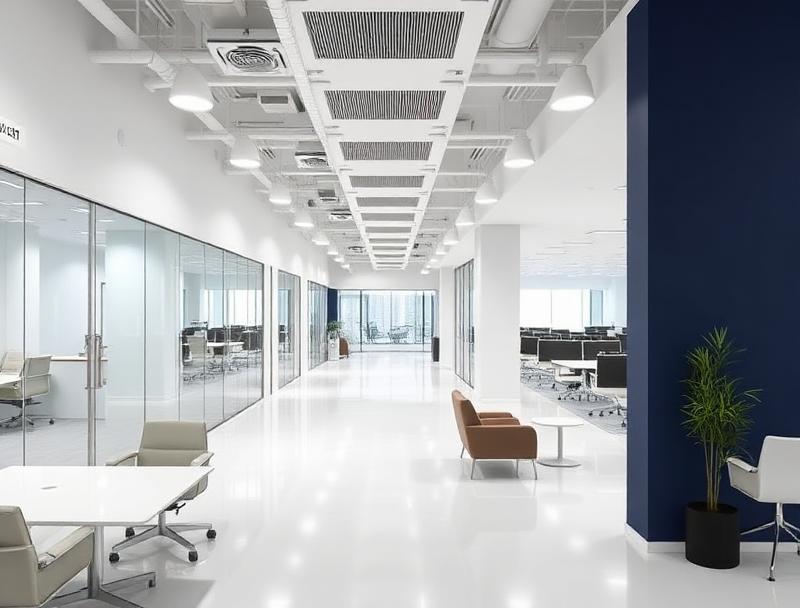
- Interior commercial walls: roughly $2.00–$6.00+ per square foot depending on height, prep, coats, and occupancy constraints
- Doors/frames/trim packages: often priced per opening or as a unit schedule—easy to under-scope
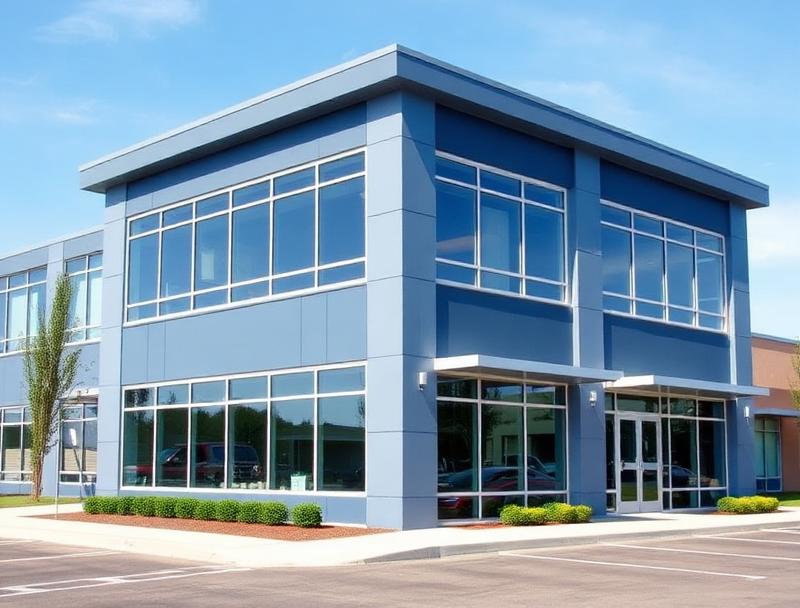
- Exterior commercial elevations: highly variable; access equipment and repairs can dominate material cost
- Apartment make-ready: per-unit pricing by condition tier (light / standard / heavy) is more useful than a single average
- Wallcovering: usually higher first cost than paint; compare lifecycle, not only install day
- Interior commercial walls: roughly $2.00–$6.00+ per square foot depending on height, prep, coats, and occupancy constraints
- Doors/frames/trim packages: often priced per opening or as a unit schedule—easy to under-scope
- Exterior commercial elevations: highly variable; access equipment and repairs can dominate material cost
- Apartment make-ready: per-unit pricing by condition tier (light / standard / heavy) is more useful than a single average
Write assumptions into the bid request so crews, property staff, and ownership are evaluating the same job.
What actually drives commercial painting price
- Surface condition: peeling, stains, moisture, and failed wallcovering add labor fast
- Access: occupied buildings, after-hours only, elevator limits, lift needs
- Height and complexity: stairwells, atriums, industrial ceilings
- Product system: specialty coatings, low-VOC requirements, dramatic color changes
- Protection and logistics: flooring, fixtures, tenants, security escorts
- Schedule pressure: compressed reopen dates cost more than phased calendars
How property managers should request pricing
- Provide floor plans or unit counts
- State work hours and blackout dates
- List surfaces included and excluded
- Ask for unit rates on common add-ons (extra patching, doors, accent walls)
- Request product/sheen assumptions in writing
Cheap bids that become expensive
- “Paint throughout” with no prep language
- No after-hours premium on a building that only allows nights
- No allowance for repairs everyone can see on the walkthrough
- Missing protection and cleanup standards
Example budget conversation starters
Those four lines turn a vague budget chat into a bid you can defend to ownership.
- “Price corridors by floor and units by condition tier.”
- “Separate doors/frames from wall square footage.”
- “Show after-hours premium as its own line.”
- “Give unit rates for patching beyond the base allowance.”
Project planning checklist
- 2026 planning ranges (not quotes)
- What actually drives commercial painting price
- How property managers should request pricing
- Cheap bids that become expensive
- Example budget conversation starters
Maintenance reality: Clear documentation reduces touch-up confusion and change-order disputes after the crew leaves.
Frequently asked questions
Can you give an exact price from photos?
Photos help screening, not final pricing. Access and substrate condition change numbers.
Is per-square-foot pricing always best?
Useful for large open areas. Doors, frames, stairs, and repairs often need separate lines.
How do I budget for 2026 capital planning?
Use ranges plus a contingency for repairs, then refine with a walkthrough bid before board approval. Need professional painting in Maryland, D.C., or Northern Virginia?
Ready to build a realistic painting budget?
WL Painting Inc works with property managers, facility teams, and general contractors on commercial interiors, exteriors, wallcovering, surface preparation, and phased occupied-building work.