Trend lists full of color names do not help facility budgets. The commercial painting trends for 2026 that matter in the DMV are operational: products that support occupied buildings, finishes that survive cleaning, and project models that reduce downtime.
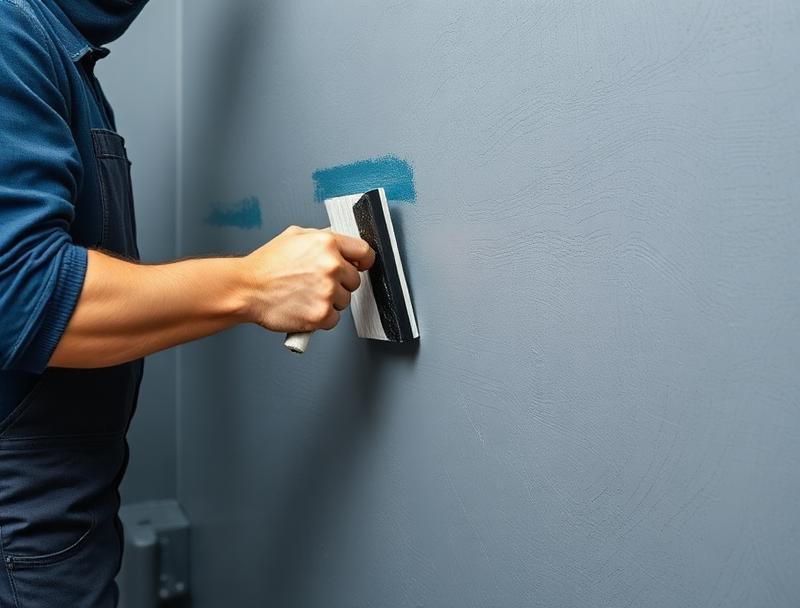
Key takeaway: In 2026, ‘can you paint while we operate?’ is a scoping question, not a surprise request mid-bid.
1. Occupied-building project models become the default
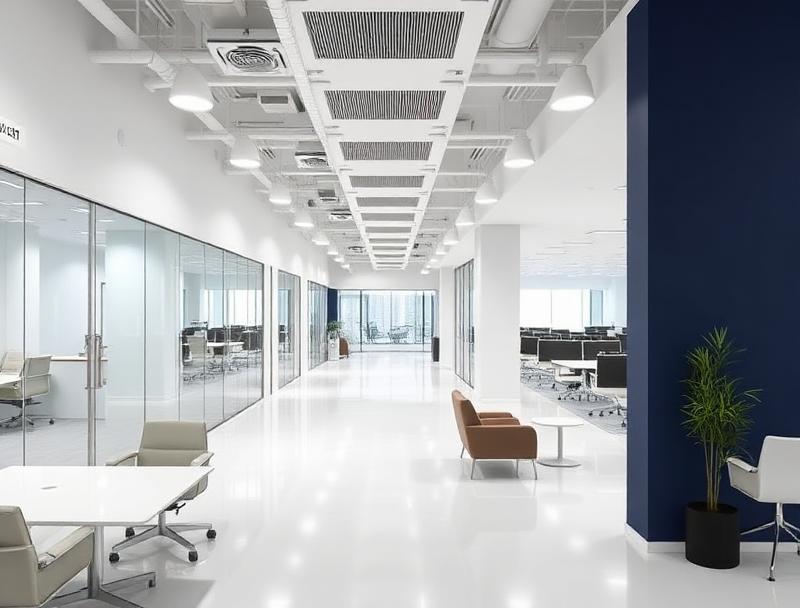
More owners expect nights, weekends, and phased floors. Bids that assume empty buildings on occupied sites fail in the field.
- RFPs with no access hours listed
- One paint product for every room type
- Ignoring wallcovering in brutal elevator lobbies
- Final punch only on the last day of a multi-week job
Write assumptions into the bid request so crews, property staff, and ownership are evaluating the same job.
2. Low-VOC and low-odor systems as a baseline expectation
Especially in offices, multifamily, healthcare, and education. Specify by area—do not assume one product covers every zone.
Key takeaway: In 2026, ‘can you paint while we operate?’ is a scoping question, not a surprise request mid-bid.
3. Maintenance-first sheens and colors
Neutral durable field colors, cleaner corridor systems, and fewer one-off accent walls that are impossible to touch up. Design still matters—but so do scuffs and janitorial chemicals.
4. Hybrid wallcovering + paint strategies
Paint large flexible areas; wallcover elevator lobbies and high-abuse corridors. Lifecycle math is beating all-or-nothing decisions.
5. Better scope documentation and photo reporting
Owners want daily progress notes, product records, and punch photos. Communication quality is part of service, not an extra.
6. Exterior programs tied to capital planning
Less “paint when it looks bad,” more inspect-clean-repair-coat cycles with weather windows built into budgets.
What to stop doing in 2026
- RFPs with no access hours listed
- One paint product for every room type
- Ignoring wallcovering in brutal elevator lobbies
- Final punch only on the last day of a multi-week job
Project planning checklist
- 1. Occupied-building project models become the default
- 2. Low-VOC and low-odor systems as a baseline expectation
- 3. Maintenance-first sheens and colors
- 4. Hybrid wallcovering + paint strategies
- 5. Better scope documentation and photo reporting
Maintenance reality: Clear documentation reduces touch-up confusion and change-order disputes after the crew leaves.
Frequently asked questions
Are bold accent colors dead?
No—but they are more selective. High-abuse zones favor durable neutrals.
Is dryfall still relevant?
Yes for many warehouses and overhead industrial scopes.
What should I put in 2026 RFPs?
Access hours, low-VOC requirements, sheen schedule, protection standards, and punch process. Need professional painting in Maryland, D.C., or Northern Virginia?
Ready to scope your commercial painting project?
WL Painting Inc works with property managers, facility teams, and general contractors on commercial interiors, exteriors, wallcovering, surface preparation, and phased occupied-building work.